
Buying a used car carries inherent risk. A shiny exterior often hides costly mechanical issues. While a professional mechanic inspection is ideal, a personal inspection filters out the obvious lemons before paying for a pro.
Exterior and Tires
Walk around the vehicle in daylight. Rain or darkness hides imperfections.
- Paint: Look for mismatched shades indicating repairs.
- Gaps: Check panel gaps for uneven spacing.
- Rust: Inspect wheel wells and rocker panels.
- Tires: Check tread depth and matching brands.
- Glass: Look for cracks or chips in the windshield.
Under the Hood
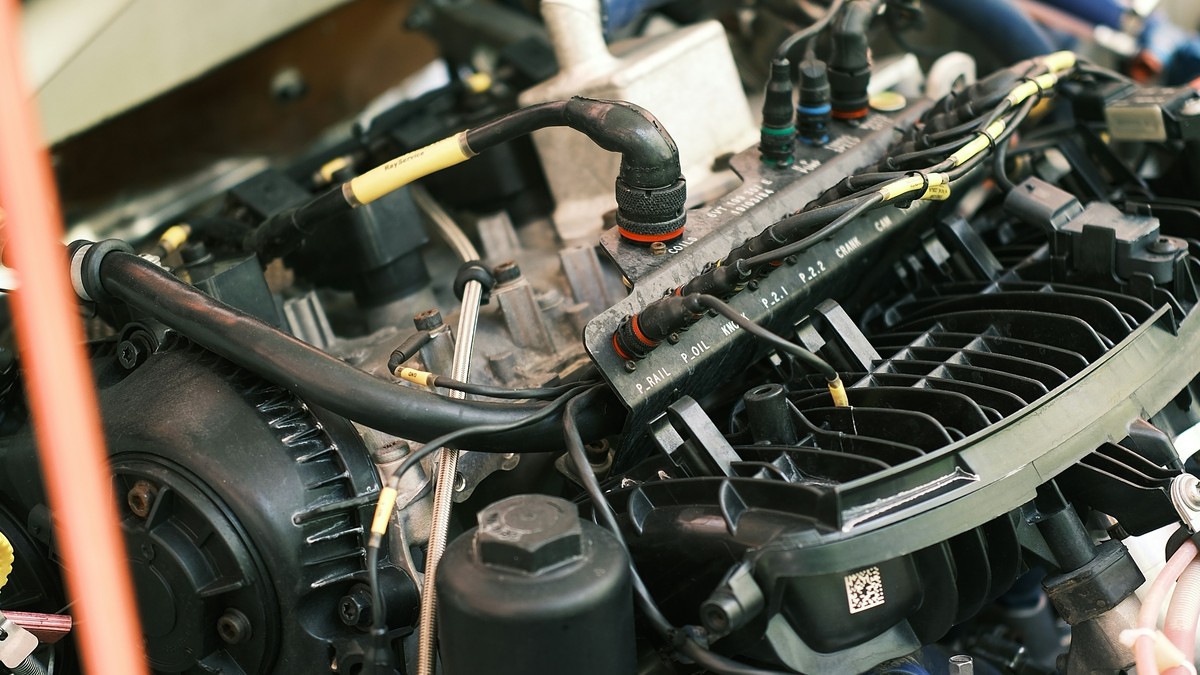
Open the engine bay. The engine should be cold for the initial check.
- Oil: Pull the dipstick; oil should look amber, not black or milky.
- Belts: Check for cracks or fraying.
- Hoses: Squeeze hoses; they should be firm, not spongy.
- Leaks: Look for wet spots or residue on the engine block.
- Fluids: Check coolant and brake fluid levels.
Interior and Electronics
Test every button and switch inside the cabin.
- Odors: Smell for mold (leaks) or sweet syrup (coolant).
- AC/Heat: Ensure both work quickly.
- Lights: Check dashboard warning lights upon startup.
- Windows: Operate all windows and locks.
- Upholstery: Check for rips or sagging headliners.
The Test Drive
Drive with the radio off to hear noises. Listen for clunking over bumps or squealing brakes. Accelerate onto a highway to check for transmission slips. If the steering wheel vibrates, alignment or suspension issues exist.